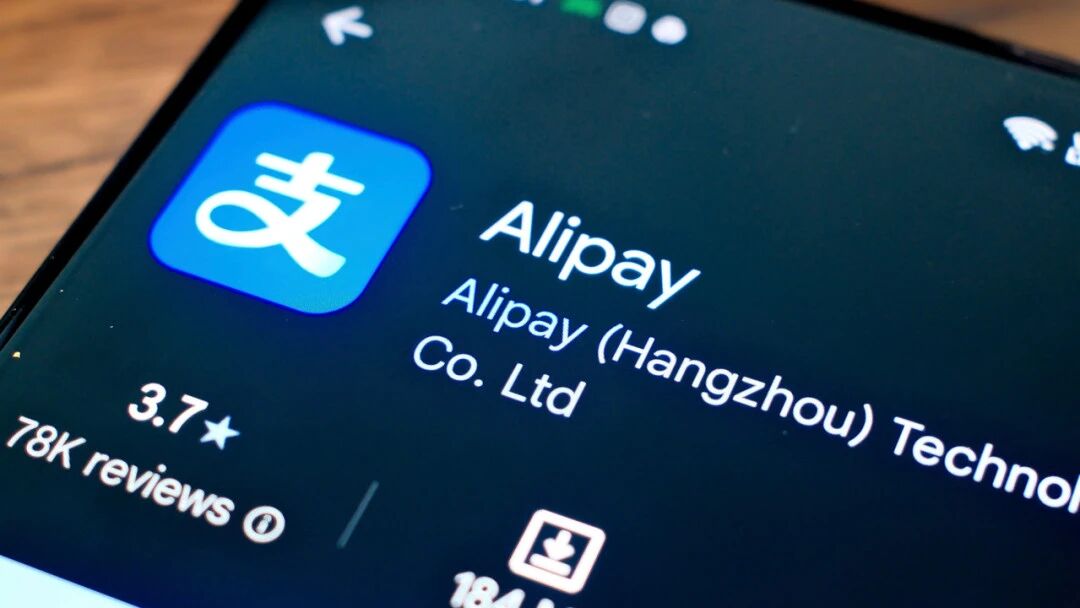
A counterfeit Alipay application has gone viral across China, following online footage exposing its effortless ability to generate bogus payment records. Shockingly, such fraudulent simulation software is available for purchase online at an ultra-low price of just 1.8 yuan (0.25 US dollars).
Online video clips demonstrate that these fake applications are capable of modifying user account balances, producing fake fund transfer animations, and forging chat conversation records. Individual users have even attested that the tool can generate screenshots falsifying transfers of up to hundreds of millions of yuan.
A journalistic probe uncovered multiple online shops offering simulated versions of both WeChat Pay and Alipay, with pricing ranging from 1.8 to 6.8 yuan per piece. Many vendors have racked up thousands of sales orders for these illicit tools, which are marketed under ambiguous guises including “commercial auxiliary tools”, “screenshot generators”, “transfer screenshot creators” and “system simulators” to evade supervision.
During field investigations, reporters bought one such tool and received its installation file via a cloud storage link. Sellers stated that paying the 1.8-yuan fee unlocks an enhanced, watermark-free version of the simulator that delivers a far more authentic visual effect.
The emergence of these low-cost counterfeit tools has sparked widespread public worries, as fabricated payment proof can be easily leveraged to scam unsuspecting individuals.
When approached by the press, Alipay’s customer service team confirmed that payment screenshots are editable by third-party tools, and the platform has no way to monitor or block users from altering these image files. For formal and legally valid transaction verification, officials advise users to request official electronic transaction receipts stamped with Alipay’s exclusive electronic seal from transaction counterparts.
Alipay Security Center has also released an official public notice, cautioning netizens that circulating payment screenshots online cannot be fully trusted as genuine transaction proof.
The authority rolled out a set of practical safety guidelines for all users: only download the official Alipay app through certified official channels; remind family members, particularly elderly relatives, not to judge payment authenticity solely by realistic-looking screenshots; always check the actual incoming funds in Alipay accounts for business deals instead of relying on static screenshots; and activate the platform’s payment voice alert function to receive real-time transaction reminders.
Beyond fake payment apps, investigators also discovered another risky tool named “Fake SMS Messages”. This application enables users to forge text messages impersonating nearly any sender, ranging from financial institutions to official authorities.
In practical tests conducted by reporters, the tool successfully generated two highly realistic fake messages: one purporting to be a notification from China Merchants Bank confirming a 10-million-yuan account inflow, and another claiming to be a fraud suspicion warning issued by the Wuhan police. Both fake texts appeared on mobile phones in the exact format of official formal notifications and even supported reply functions, making them extremely deceptive.
Lu Guanhai, a lawyer from Beijing Huarang Law Firm, pointed out that software exclusively developed and sold for illegal fraudulent acts qualifies as criminal auxiliary tools. Developers, operators and vendors of such illegal programs may all bear corresponding criminal responsibilities.
He further warned that ordinary users who utilize these simulation tools to conduct fraud will also face criminal penalties for fraud offences.
This latest incident serves as a vital reminder to the public that seemingly credible digital materials — including screenshots, text messages and simulated app interfaces — do not equate to valid proof of completed fund transfers.