
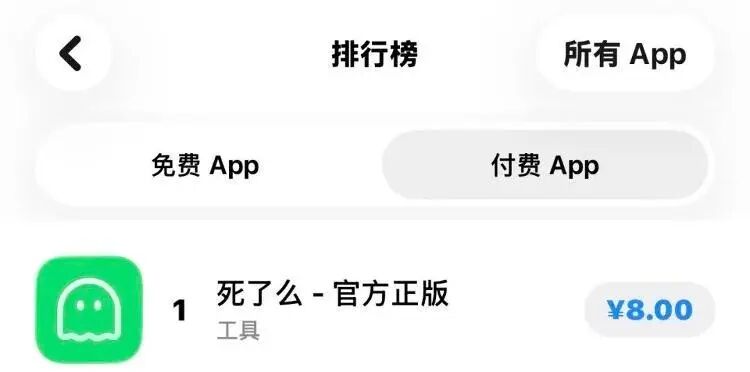
An iOS app with the chilling title “死了么” (Are You Dead?) has unexpectedly climbed to the top of China’s paid App Store rankings. Its rapid rise has little to do with technological sophistication and everything to do with how a brutally honest name has sparked nationwide discussion about safety, solitude, and modern urban life.
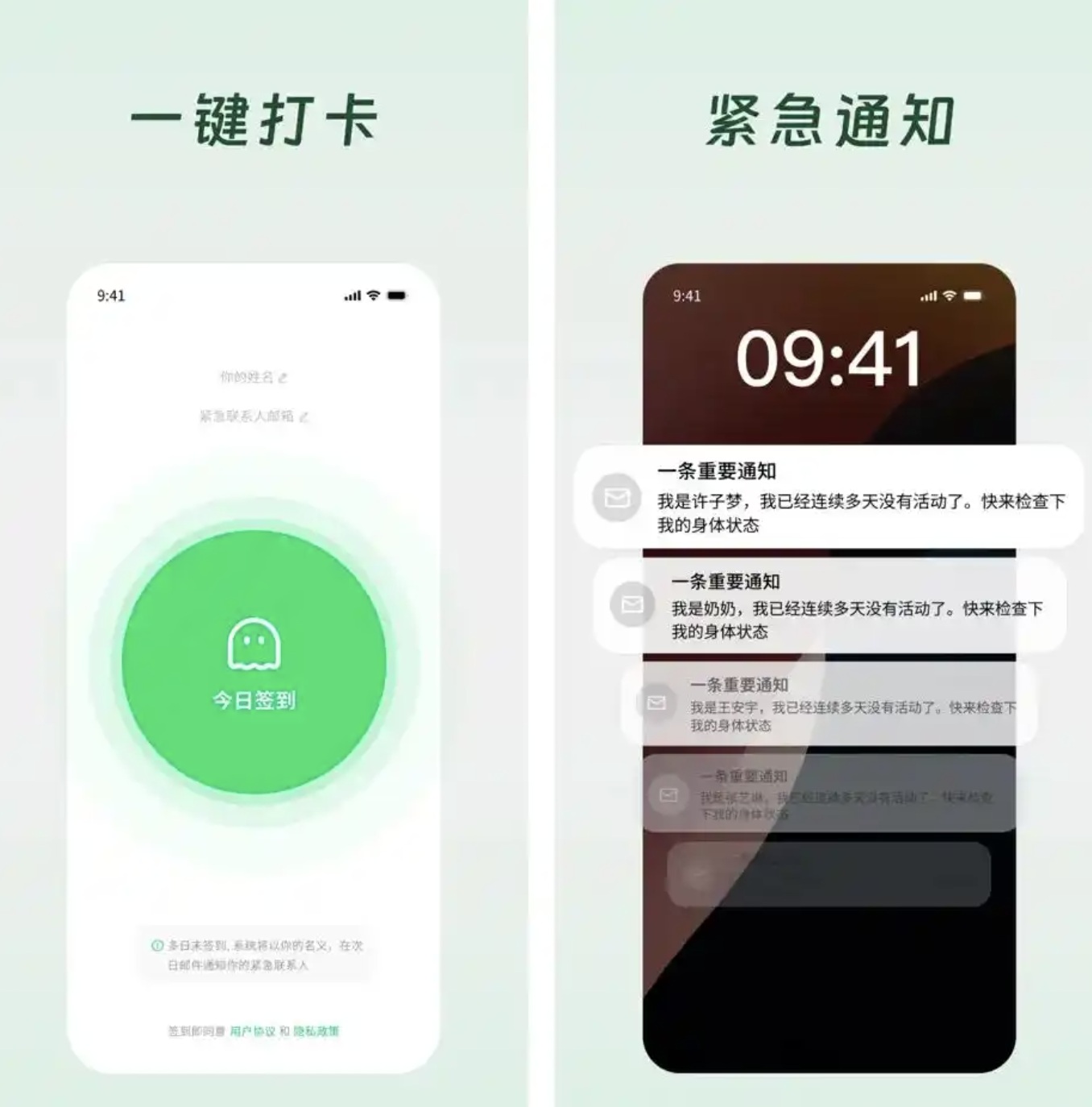
At its core, the app is disarmingly simple. Designed for people who live alone, it functions as a digital welfare check. Users pay to register emergency contacts and are required to confirm their status once a day. If they fail to check in for several consecutive days, the system automatically sends an email alert to the chosen contacts, signaling potential danger.
What truly set the app on fire, however, is not what it does—but what it is called.
A Name That Divides Public Opinion
The bluntness of “Are You Dead?” has triggered fierce debate online. Critics argue the name is disturbing, unlucky, and unnecessarily extreme, proposing gentler alternatives such as “Are You Safe?” or “Are You Alive?”. Supporters counter that the discomfort is precisely the point. In their view, the name directly addresses a widespread but rarely voiced fear: dying alone and unnoticed.
For many urban residents living by themselves, the app’s stark phrasing resonates on a deeply emotional level. As supporters argue, it doesn’t soften reality—it confronts it.
Born From Internet Humor, Built for Real Life
According to Mr. Guo, a spokesperson for the development team, the idea originated in online youth communities. Young adults in major cities such as Beijing and Shanghai frequently discussed, often jokingly, their anxieties about sudden illness or accidents while living alone. In those conversations, people half-seriously wished for an app literally called “Are You Dead?”.
“That joke became our starting point,” Guo told LanJing News. From the outset, the team knew the name would polarize opinions, but they believed its shock value made it instantly understandable to their target users: young and middle-aged solo dwellers in large cities. The name, Guo said, carried unmatched “communicative efficiency.”
Built Fast, Built Lean
Behind the viral success lies a surprisingly modest origin story. The app was created by three developers born after 1995. From concept to launch, the entire process took less than a month, with total costs barely exceeding 1,000 RMB (around US$140).
Currently, the app is only available on iOS and offers just one core function: daily check-ins with automatic alerts. Despite its simplicity, the team is already working on a new project—described as a “software-only version of a children’s smartwatch.” The upcoming product aims to allow parents to track location and receive emergency notifications without requiring additional hardware.
Riding a Massive Social Shift
The app’s popularity reflects a much larger demographic reality. According to a recent “New Era of Living Alone” report, China’s population of people living alone reached 123 million in 2024. Of these, 110 million are between the ages of 20 and 49. By 2030, that number is expected to rise to 150–200 million.
“Are You Dead?” has precisely tapped into the safety concerns of this rapidly growing group. With an extreme name and an ultra-minimalist design, the app has managed to crystallize a defining feature of modern urban China: isolation paired with anxiety.
Its success suggests that in an era crowded with features and euphemisms, sometimes the most unsettling honesty is what people respond to most.