 1. Human‑customer‑service entry cannot be concealed by AI‑powered customer service
 1. Human‑customer‑service entry cannot be concealed by AI‑powered customer service
Effective September 1 marks the implementation of China’s first national standard targeting the collaboration between artificial intelligence and human customer service. Enterprises are obligated to offer obvious entrances for manual customer service. They are forbidden to bury this option under multi‑level menus, or force users to restate their issues repeatedly when cases ought to be handed over to human attendants.
Enterprises shall bear legal accountability for replies generated by AI customer service systems. They are not allowed to shirk contractual obligations on the pretext that AI‑produced replies do not stand for the company’s official stance.
2. Updated short‑drama governance: AI‑created content requires explicit marking
The administrative measures for short‑drama production and operation take effect on September 1. Short dramas will be categorized for oversight based on investment scale and thematic content, with matched filing, release and licensing mechanisms.
Every single episode of AI‑generated short dramas must display a prominent label indicating AI‑produced content.
Themes touching upon politics, military affairs, foreign affairs, national security, ethnic issues, religion, judicature and public security will be subject to the strictest regulatory tier, irrespective of project investment.
3. Simplified departure tax refund procedures for overseas visitors
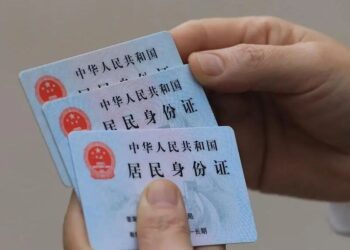
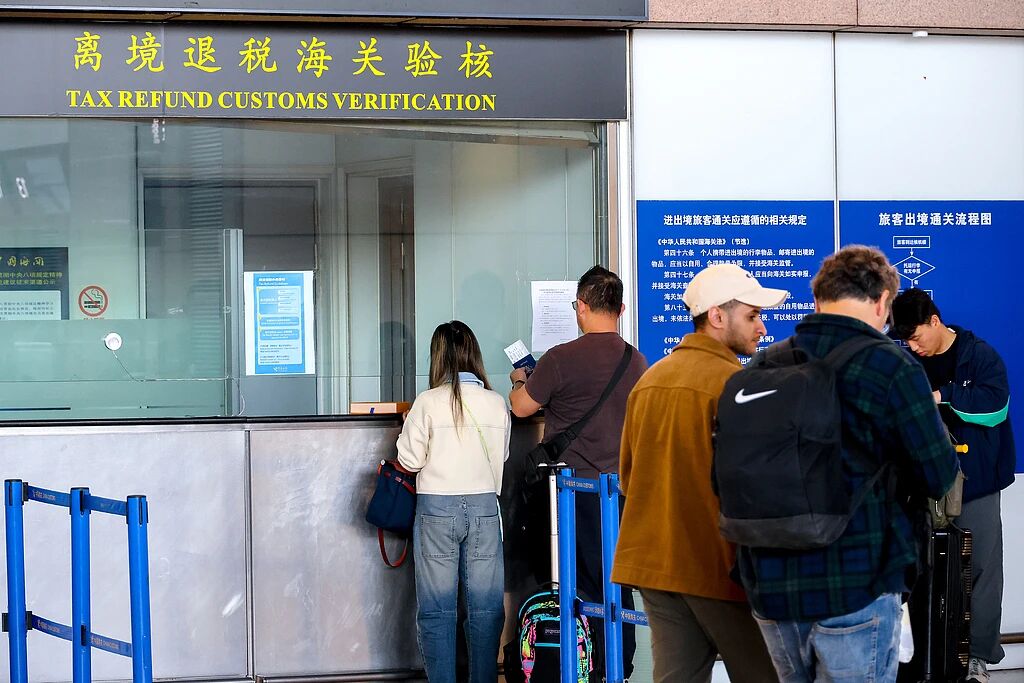
Starting September 1, tax‑refund‑qualified merchants may submit valid identity documents of foreign tourists when submitting instant tax‑refund applications. Competent authorities will conduct online document verification, streamlining the whole offshore tax‑refund experience for outbound travelers.
4. Circulating RMB notes banned for commercial trading
A newly‑issued official notice kicks in on September 1, clarifying that natural persons and entities are prohibited from unauthorized purchase and resale of RMB banknotes currently in circulation.
By contrast, RMB officially taken out of circulation by the People’s Bank of China may be collected, exchanged via banking institutions, and legally traded as collectible items.
5. Tighter border‑exit regulations effective September 15
Revised exit‑entry rules strengthen exit‑control constraints. Applicants for leaving China need to furnish legitimate, authentic reasons and cooperate with immigration authorities for identity and travel‑purpose verification.
Submitting falsified materials or making dishonest declarations may lead to rejected exit‑entry documents or travel bans out of China.
More scenarios are added to the legal exit‑ban list, such as forgery‑related exit‑entry document offences, cross‑border illegal entry‑exit conduct, overseas criminal acts harming national security and interests, and violations posing threats to industrial and technological security.
6. More flexible housing provident fund policies from September 20
Revised provisions optimize housing provident fund withdrawal rules.
The old threshold that rent must account for a specific proportion of household income is scrapped. Home renovation for self‑occupied residences and property‑fee payment are newly‑approved withdrawal purposes.
The reviewing cycle for provident fund loans is cut from 15 working days down to 10.
Withdrawal formalities will be further simplified, and cross‑regional account transfers across China will become more accessible. Flexible‑status workers including self‑employed business operators and part‑time employees can voluntarily join the housing provident fund system.