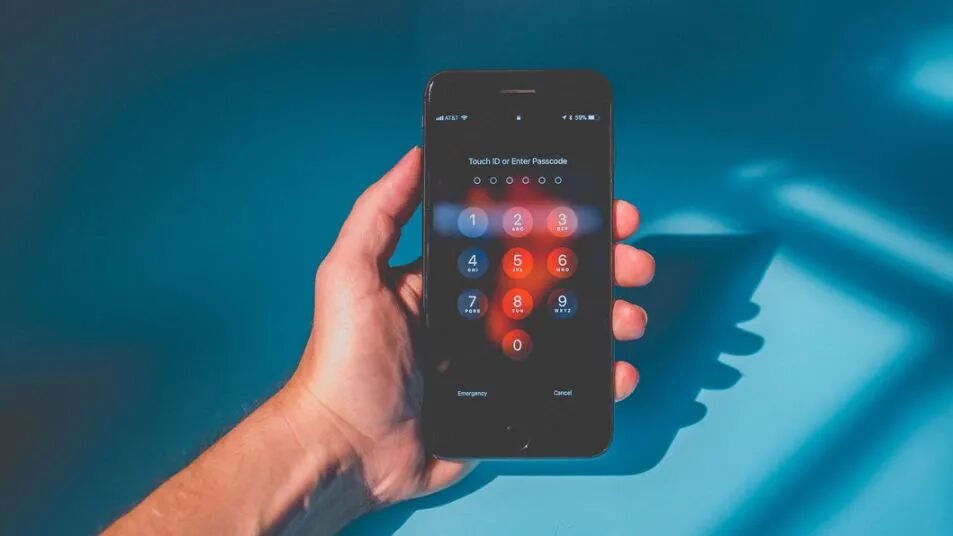
In the process of formulating the 2026 Implementation Rules for Amending the Implementation Rules for Article 43 of the Law of the People’s Republic of China on Safeguarding National Security in the Hong Kong Special Administrative Region, a spokesperson for the HKSAR Government emphasized the following: “Pursuant to the revised Schedule 1 of the Implementation Rules, under normal circumstances, police officers must have reasonable grounds to suspect that an electronic device may contain evidence related to offences endangering national security. They must first apply for a warrant and obtain authorization from a magistrate before conducting a search of the electronic device to collect relevant criminal evidence in accordance with the terms of the warrant. Only after being legally authorized to search the electronic device may the police request a designated individual to provide the password or decryption method for that device. In other words, the police are only entitled to require a specified person to supply the password or decryption method of an electronic device after securing legal authorization for the search. There is no situation in which the police can randomly stop ordinary citizens on the street and demand their electronic devices (such as mobile phones) or their passwords. The purpose of the police’s request for a specified person to provide the password or decryption method of an electronic device is to fulfill the legally authorized search duty.”
“We wish to stress that the revised Schedule 1 of the Implementation Rules is consistent with the protection of the freedom and privacy of communication as stipulated in Article 30 of the Basic Law, as well as the protection of privacy and correspondence outlined in Article 14 of the Hong Kong Bill of Rights. In many common law jurisdictions, law enforcement officers are authorized to require the provision of electronic device decryption methods during investigations and evidence collection. Examples include the United Kingdom’s Regulation of Investigatory Powers Act 2000, Australia’s Crimes Act 1914, New Zealand’s Search and Surveillance Act 2012, and Singapore’s Criminal Procedure Code 2010. Additionally, the federal government of the United States and its various states also empower law enforcement agencies to demand that relevant individuals provide passwords or other decryption assistance under specific circumstances.”
“In fact, the Court of Appeal has previously ruled in a case that the Police may apply for a magistrate’s warrant to search electronic devices. Even before the amendment, Schedule 1 of the Implementation Rules already authorized police officers, upon obtaining a warrant issued by a magistrate, to search electronic devices that might contain evidence of offences endangering national security. The current amendments merely grant police officers the authority, when exercising the aforementioned search power, to require specified persons to provide decryption methods. This enables police officers to exercise their search powers promptly, minimize the time needed to decrypt electronic devices, and thereby reduce the risk of failing to identify other suspects involved in the case or to timely obtain certain crucial evidence. These relevant measures do not constitute any additional interference with the freedom or privacy of communication and other related rights.”
“Law enforcement agencies of the HKSAR have always taken law enforcement actions based on evidence and in strict accordance with the law when dealing with the acts of relevant individuals or entities, and such actions have no connection with the individuals’ or entities’ political positions, backgrounds, or occupations.”
“The HKSAR will continue to resolutely fulfill its responsibility of safeguarding national security, effectively prevent, suppress, and punish acts and activities that endanger national security in accordance with the law, while at the same time protecting the rights and freedoms enjoyed by Hong Kong residents in accordance with the law,” the spokesperson stressed.