
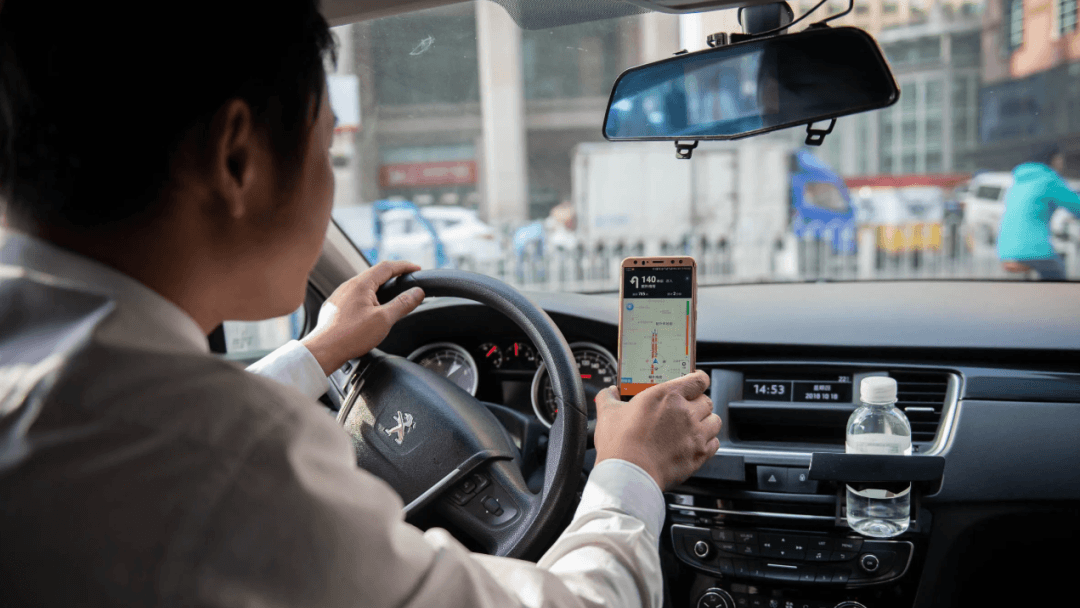
A significant transformation is on the horizon for China’s ride-hailing drivers, with new national fatigue driving regulations set to be enforced starting June 1. These rules are expected to put an end to the industry’s long-standing practice of excessive working hours, which has become a common phenomenon among drivers.
Issued by the Ministry of Public Security, the newly unveiled Motor Vehicle Driver Fatigue Driving Identification Rules (GA/T 2372-2026) establish more explicit and rigorous criteria for identifying fatigue driving. Notably, these regulations cover not only traditional passenger transport drivers but also ride-hailing and taxi operators, ensuring comprehensive coverage across the passenger transport sector.
According to the new rules, a driver will be deemed fatigued if they meet any of the following conditions: driving continuously for more than 4 hours without a break of at least 20 minutes; operating passenger vehicles for over 2 hours between 10:00 PM and 6:00 AM without resting; or accumulating more than 8 hours of driving time within a 24-hour period. These provisions effectively impose a strict limit on the length of drivers’ workdays, a practice that has long been prevalent in the ride-hailing industry.
Relevant data highlights the pervasiveness of long working hours among ride-hailing drivers. In Hangzhou alone, more than 30% of ride-hailing drivers work 8 to 12 hours per day, while nearly 22% work more than 12 hours daily. On a national scale, the average daily online time for ride-hailing drivers is approximately 6.4 hours, but many drivers work around 10 hours a day—and a small number even exceed 15 hours of work per day.
In addition to defining fatigue criteria, the new rules also introduce more advanced fatigue identification methods. These include monitoring drivers via in-vehicle cameras and even brainwave detection devices; classifying “fatigue eye closure” as the state where both eyes are fully closed for more than 2 seconds; and assessing drivers’ conditions through inquiries about their sleep, diet, and mental state prior to driving.
If a driver is found to have been fatigued and fails to take measures to prevent an accident, this factor can directly influence the determination of liability for the incident.
It is worth noting that major ride-hailing platforms have already implemented similar control measures. For instance, Didi previously introduced a policy requiring drivers to take a 20-minute break after 4 hours of service and a 6-hour rest after 10 hours of active driving.