What began as a simple parking violation in a residential complex quickly evolved into a tense cross-cultural conflict. Fortunately, through patient mediation, the matter was resolved amicably, underscoring the vital role of clear communication in neighborhood relations.
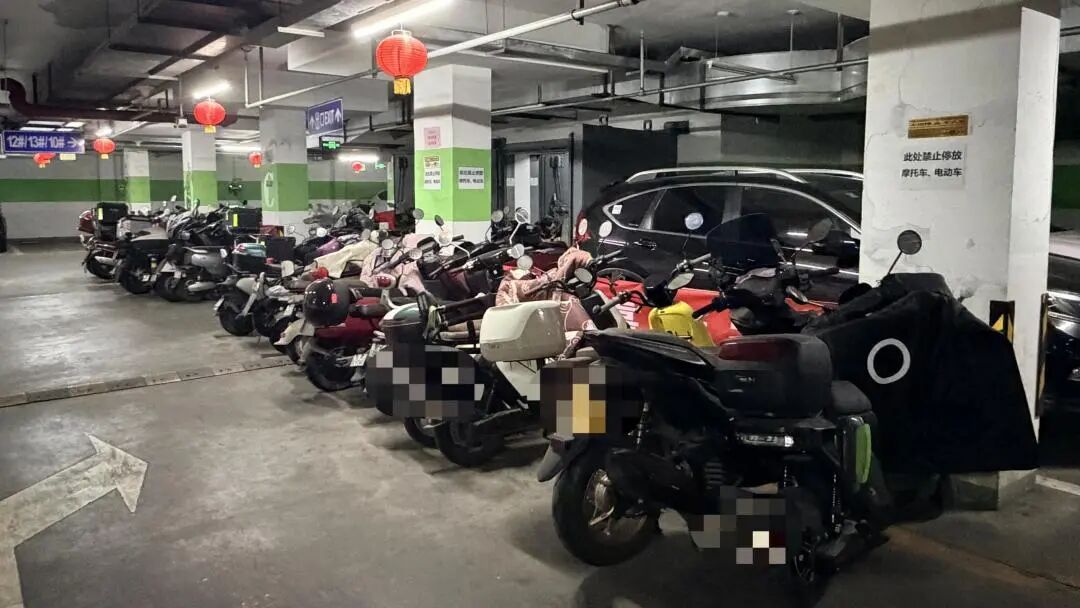
The incident unfolded at approximately 8 p.m. one evening. Mr. Zhang, a local resident carrying his young child, was navigating a narrow shared corridor that connects a building’s entrance to the bicycle parking zone. As he maneuvered around an electric scooter that had been left haphazardly by a foreign resident, Mr. King, Zhang lost his balance and suffered a leg injury.
Following medical attention and subsequent treatment costs, Zhang filed a report with the local police. Initial attempts at resolving the issue between the two parties broke down. Tensions escalated due to King’s inappropriate remarks and uncooperative demeanor, pushing Zhang to consider pursuing legal action.
On March 4th, the case was officially transferred to the Nanhu District People’s Mediation Committee for intervention. The mediators began their work by meticulously examining all available evidence, including hospital records, expense receipts, and the official police report. Their investigation concluded that the primary cause of the accident was the illegally parked vehicle obstructing the path. Furthermore, they noted that King’s subsequent inflammatory comments had significantly aggravated the dispute.
A significant obstacle the mediators faced was the language barrier, as King was not proficient in Chinese. To overcome this, the committee contacted a mutual acquaintance, Mr. Wang, who agreed to serve as a translator. This strategic move proved essential in re-establishing a line of constructive dialogue.
Throughout the mediation sessions, the focus remained on establishing accountability while simultaneously calming heightened emotions. With the help of translation, King was educated on the safety hazards of blocking communal walkways and the real-world consequences of his negligence. Conversely, Zhang was encouraged to handle the situation with composure and seek a resolution that was acceptable to both sides.
The mediators took deliberate steps to prevent cultural misunderstandings from derailing the process. Legal concepts and settlement terms were explained in straightforward, accessible language, ensuring both parties fully comprehended the situation and the proposed solution.
After multiple rounds of negotiation, a consensus was finally achieved. On March 10th, King sent a formal apology to Zhang via text message. He agreed to cover the medical expenses incurred and pledged to strictly adhere to the community’s parking regulations moving forward. Zhang accepted the terms, bringing the dispute to a close.
This case serves as a powerful example of how minor inconveniences can spiral into major conflicts when communication fails, particularly across cultural lines. It highlights how effective, impartial mediation—grounded in factual analysis, fairness, and bridging linguistic gaps—can provide a swift alternative to lengthy litigation, ultimately restoring peace and harmony to the community.