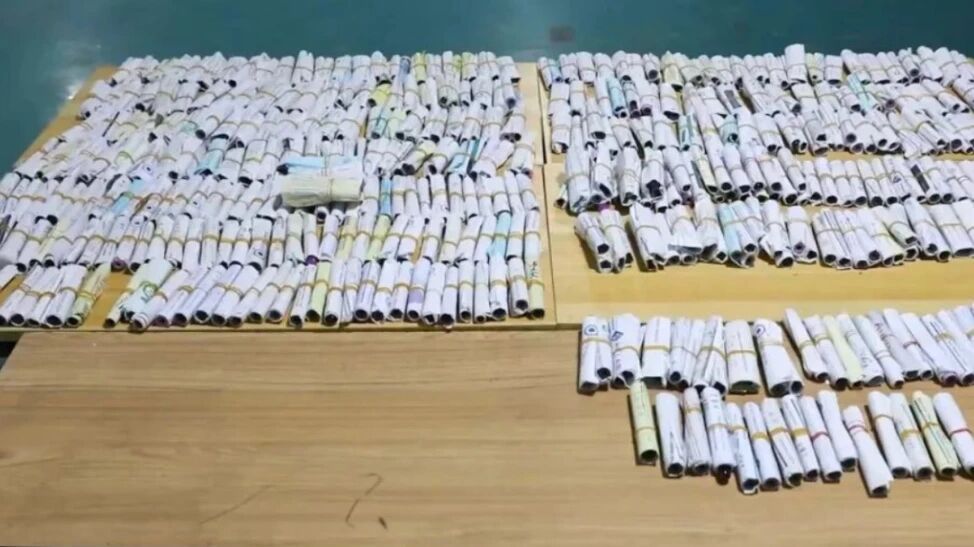
CCTV reported on Wednesday that Guangzhou Customs Anti-smuggling Bureau has dismantled a major cross-border criminal network trafficking in pregnant women’s blood samples, spanning 23 provinces. The bureau deployed 265 officers in a synchronized operation across Guangzhou, Foshan, and Shenzhen, smashing two specialized gangs. Preliminary findings indicate the group illegally exported over 100,000 blood samples and pocketed more than 30 million yuan in illicit gains. Samples contain sensitive human genetic material and are strictly regulated for import and export under Chinese law. Zheng Zhong, deputy director of the investigation division, said online probes revealed the gangs lured clients with offers of non‑invasive fetal gender identification and genetic disease screening, then shipped samples abroad for testing. After more than a year of investigation, 26 suspects were apprehended in a single day. The operation uncovered a tightly organized supply chain: online recruitment, courier-based sample collection, transit storage, and cross‑border smuggling. Ads promised “accurate genetic testing” and “safe and risk‑free” services, with fees typically 2,000–3,000 yuan. Clients received a commission form from an overseas lab and were told to use “acquaintances” or online medical platforms to collect specimens. To evade detection, couriers taped tubes to their abdomen or inner thighs or hid them in specially designed luggage compartments. One ringleader surnamed Li rented space in a creative park, masquerading as a media company while running the smuggling operation. Another suspect surnamed Huang and his spouse received parcels containing 33 blood samples hidden in tea boxes and toys. So far, 9 of the 26 suspects have been approved for arrest by prosecutors, with the case under further investigation. Zheng warned of leakages, tube breakages, and the risk of infectious diseases in smuggled samples, underscoring the need to protect fetal life and maintain a healthy population ratio.